

Safety Tips for Driving Your Car in Bad Weather
Published on November 3, 2025 by Joey Rosenberg
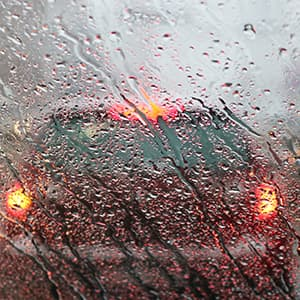
Bad weather adds layers of complexity to every outing. Rain, fog, snow, high winds and seasonal storms can turn a routine drive into a real challenge.
Staying safe during these drives often comes down to preparation, awareness and smart decision-making. By learning a few tips, you can reduce the risk of driving when the skies are unfavorable.
Rain
- Turn on the headlights even during daylight, and use windshield wipers continuously to maintain visibility.
- Reduce speed below normal limits, as wet roads lengthen stopping distances.
- Keep a longer following distance (at least 5 seconds) to allow extra reaction time.
- Watch for signs of hydroplaning. If your car feels like it's floating, gently ease off the accelerator; avoid sudden braking.
- Drive in the tire tracks left by the vehicle ahead, where the water is thinner.
- Avoid puddles and deep standing water, as the water may conceal potholes or debris underneath.
- Avoid using cruise control in heavy rain. It can delay your reaction time in changing conditions.
- Drive With Extra Caution When It's Raining
- Rainy Day Driving Safety Tips
- Driving in the Rain Fact Sheet
- Driving in Rainy Weather
Floods
- Turn around, don't drown: Never attempt to cross a flooded roadway. Even shallow water can hide hazards or sweep a car off course.
- If water is unavoidable, proceed slowly in first gear while maintaining steady momentum to avoid stalling.
- Keep the engine revved slightly to prevent water from entering the exhaust or air intake systems.
- Turn on your hazard lights so others can spot you through the spray and low visibility conditions.
- After emerging from the water, drive cautiously and have your vehicle inspected as soon as you can. Flood exposure can damage brakes, electrical systems and undercarriage components.
- Turn Around, Don't Drown!
- How Do Weather Events Affect Roads?
- Flood Safety
- Seven Flood Safety Tips
Winter Storms
- Equip your vehicle with winter-appropriate tires or chains, as required by law.
- Clear all snow and ice from windows, lights and the roof of your vehicle before driving.
- Use your defrosters and windshield heaters.
- Keep your washer fluid topped up with freeze-resistant formula.
- Anticipate that stopping distances may be up to 10 to 12 times longer on icy roads.
- Use gentle acceleration and smooth steering and avoid harsh braking.
- Be cautious on bridges and in shaded areas, as these tend to freeze first.
- Keep an emergency winter kit in your car (including blankets, warm clothes, flashlight, shovel, traction aids, etc.).
- Winter Weather Driving Safety
- Preventing Injuries and Staying Safe in Winter
- Safety Tips: Driving in Winter Weather
- Defensive Driving in Winter Weather Conditions
Fog
- Use low-beam headlights or fog lights; high beams worsen glare by reflecting off moisture in the air.
- Reduce your speed significantly, and maintain extra space ahead.
- Use road markings as visual guides to stay centered in your lane.
- If visibility is severely limited, pull over to a safe spot off of the road, turn on your hazard lights and wait for conditions to improve.
- Use windshield wipers and defrosters to manage moisture buildup on windows and mirrors.
- Driving Safely in Foggy Conditions
- Fall Weather Safety Tips
- Safety Tips for Driving in Severe Wet Winter Weather
- Safe Driving Tips for Foggy Conditions
Tornadoes
- Avoid driving during tornado warnings if possible.
- Seek sturdy, nearby buildings for shelter rather than staying in the car.
- Do not stop under bridges or overpasses, as they can channel wind and debris, creating dangerous turbulence.
- If caught with no shelter, get out of your vehicle and lie down in a ditch or depression, keeping your distance from the vehicle and covering your head to protect yourself from flying debris.
- Stay informed via weather alerts while on the road. Tornadic weather can evolve quickly.
- Safety Tips While on the Road During Tornadoes
- Tornado Safety Tips
- Tornado Safety
Hurricanes
- Avoid travel during hurricanes unless absolutely necessary.
- Maintain at least a half-full fuel tank in case detours or delays arise.
- Use main roads whenever possible; secondary roads may be blocked by debris or flooding.
- If visibility or control deteriorates, pull off of the road safely and wait out the worst of the storm.
- Watch for fallen trees, power lines or washed-out pavement.
- Understand Forecast Information
- Hurricane Safety Tips
- Staying Safe During a Hurricane
- Hurricane Evacuation Recommended Practices
Thunderstorms
- If there's lightning nearby, being in your car is generally safer than being exposed outdoors.
- Avoid driving under trees, near power lines or in open areas where lightning strikes or falling branches are more likely to occur.
- Reduce your speed in heavy rain, and keep both hands firmly on the steering wheel. Wind gusts can push a vehicle, so remain vigilant.
- If rain or winds intensify to a point where you cannot see the road, pull over in a safe location, turn on your hazard lights and wait until conditions improve.
- How to Drive in a Thunderstorm
- Thunderstorm Safety Checklist
- Tips for Thunderstorm Safety
Weather Preparedness Tips
- Perform regular maintenance on your tires, brakes, lights, wipers and battery before the onset of bad-weather seasons.
- Build and maintain a car emergency kit that includes a flashlight, jumper cables, first-aid supplies, blankets, snacks, water and a phone charger. Add items like a snow brush, ice scraper and shovel in the winter.
- Use real-time weather apps, road condition alerts and traffic updates to pre-plan your route.
- Drive defensively: Avoid distractions, anticipate other drivers' mistakes and stay alert at all times.
- Adjust your speed to the conditions: A safe speed in bad weather may be much slower than the posted limits.
- Always allow extra stopping distance.
- Know your vehicle's safety features and how they behave in low-traction conditions.
- Severe Weather Preparedness
- Weather Preparedness Tips
- Stay Safe from Major Weather Events
- Auto Emergency Preparedness Kit Checklist
- Preparing to Get a Florida Learner's Permit
- Getting Ahead of Winter Emergencies
- Florida Driver Education Courses
- Guide to Emergency Preparedness
- Ohio Teen Driver Training
- Create a Vehicle Emergency Kit
- Virginia Driver Education Online
- Be Prepared for Spring Weather